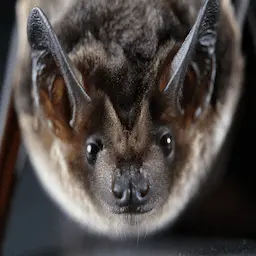
What matters at a Meridianville property
Document the exact exit point from a safe distance around dusk. Do not close it until a qualified provider has considered season, colony status, and alternate openings.
Signs worth mentioning on the call
Evening flight from a repeat roofline opening
Small dark droppings below a roost area
Light scratching in a wall or attic near dusk
A bat found in a living space
Get from wildlife signs to a clear removal plan.
Explain where the activity is happening and what you observed. That helps the wildlife professional plan the inspection, animal work, repairs, and cleanup.
A safer sequence before work begins
- 1
Treat possible human or pet contact as a public-health question first
- 2
Confirm the active opening and likely roost area
- 3
Discuss timing and one-way exclusion
- 4
Seal secondary gaps only as part of a complete plan
Safety and agency flag
If a bat may have contacted a sleeping person, child, pet, or anyone unable to reliably report contact, avoid handling it and contact public-health or animal-control guidance promptly.
Questions to ask before authorizing work
- Does the quote identify the likely entry point and the animal evidence?
- Are inspection, removal, exclusion repairs, cleanup, and follow-up priced separately?
- What happens if the animal cannot be confirmed during the first visit?
- Who handles permits, protected species, or public-health escalation if needed?
Primary and official sources
Verify the current guidance
Common questions
Before you make the call
Should I plug a bat opening at night?
No. A partial or poorly timed seal can trap bats or move them into occupied rooms. Exclusion should account for the full structure and seasonal constraints.
Is bat cleanup included?
Not automatically. Ask whether inspection, exclusion, sealing, contaminated-material handling, and cleanup are separate scopes.