What matters at a Meridianville property
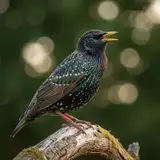
Name the vent or opening, whether the appliance is in use, and whether young birds may be present. A photo from the ground can be more useful than a guess at the species.
Signs worth mentioning on the call
Chirping or fluttering at a vent
Nesting material protruding from an opening
Reduced airflow or odor near a duct
Repeat bird traffic to one roofline point
Get from wildlife signs to a clear removal plan.
Explain where the activity is happening and what you observed. That helps the wildlife professional plan the inspection, animal work, repairs, and cleanup.
A safer sequence before work begins
- 1
Stop using an affected vent if airflow is obstructed
- 2
Confirm nest status and applicable protections
- 3
Remove nesting material only when lawful and safe
- 4
Install an appropriate guard after the route is clear
Safety and agency flag
Do not run a blocked dryer vent or reach into a duct with bare hands. Some native birds and active nests may be protected.
Questions to ask before authorizing work
- Does the quote identify the likely entry point and the animal evidence?
- Are inspection, removal, exclusion repairs, cleanup, and follow-up priced separately?
- What happens if the animal cannot be confirmed during the first visit?
- Who handles permits, protected species, or public-health escalation if needed?
Primary and official sources
Verify the current guidance
Common questions
Before you make the call
Can a provider remove any bird nest?
Not necessarily. Species, eggs, young, and timing can affect what is allowed. Ask the provider how identification and legal constraints are handled.
Will a vent cover prevent recurrence?
A correctly selected and installed guard can help after the vent is confirmed clear, but it should not restrict required airflow.